
"remove ants"
200 article(s) found

Characteristics of coffee bean picking season in Kenya flavor description of taste producing area
There are two types of coffee farms in Kenya, one is a large planting farm covering an area of more than five acres, but the average elevation is low, as far as Kenyan coffee is concerned, the quality of coffee beans in the big farm is only medium. The best Kenyan beans come from small farms, most of which are located in the foothills or volcanoes above 5,000 to 6,000 feet.


What does the cleanliness of coffee beans mean? what does it have to do with? The relationship between the level of hand-brewed coffee and cleanliness
When tasting coffee, it is sometimes described as "how clean this coffee bean is!" So what does this cleanliness mean? In tasting coffee, one item is cleanliness. Many friends have a vague understanding of the word. Here in Qianjie, try to express it clearly and cleanly.

Introduction of Kenyan Coffee Flavor and Taste Fine Coffee beans in Kenya Coffee producing area
Kenya there are two types of coffee farms in Kenya. One is a large plantation covering an area of more than five acres, but the average elevation is low. In the case of Kenyan Coffee, the coffee beans of the large farms are of medium quality. The best Kenya beans are produced in small farms, most of which are located in the foothills or volcanic slopes above 5,000 to 6,000 feet. Each small farmer has a capacity of only 20 to 70 bags per season.

Introduction to the planting environment of Kenyan boutique coffee bean manor with delicious and slightly alcoholic aroma
There are two types of coffee farms in Kenya. One is a large plantation that covers an area of more than five acres, but the average elevation is low. In the case of Kenyan coffee, the coffee beans of the large farms are of medium quality. The best Kenyan beans come from small farms, most of which are located in the foothills or volcanic slopes above 5,000 to 6,000 feet. Each small farmer has a capacity of only 20 to 70 bags per season.
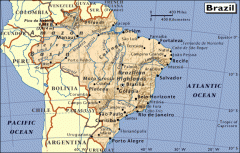
Home-baked boutique coffee (VI) Brazil
Brazil, once and still the world's largest coffee producer, has made coffee as a national treasure as its samba and football with its huge output. Brazil produces a lot of coffee, but because its varieties include both Arabica and Roberta, and many farms are located in the plains below 1000 meters above sea level, they use modern mechanized operations.

Introduction to the flavor of Kenyan coffee
Kenya Coffee Kenya Coffee Kenya is the origin of Arabica coffee trees in Kenya, but it was not until the beginning of the 20th century that coffee cultivation began. Missionaries introduced Arabica trees from the leaves in the 19th century, but did not plant them in large quantities. It was not until 1893 that coffee was cultivated on a large scale after the introduction of Brazil's ancient bourbon seeds.
Common diseases and pests in coffee cultivation and their control methods
It is distributed in all coffee producing areas in the world, and it also occurs in Yunnan, Guangxi and Hainan Island in China. It is one of the major pests of coffee. The coffee tiger longicorn beetle harms the coffee trunk for more than 2 years and begins to eat between the cambium and the xylem.

Description of flavor characteristics of seven major producing areas of Kenyan coffee beans taste of Kenyan coffee beans treated varieties
Kenyan coffee producing areas introduce altitude, latitude and geology: the equator runs through Kenya, and the border is just within ten degrees of north and south latitude. Belonging to tropical producing areas, there are two rainy seasons every year, with two harvests, with 60% concentrated from October to December and another 40% from June to August. Coffee is mainly grown in volcanic areas around 16002100 meters above sea level from the capital Narobi to the mountains of Kenya. This height

Introduction of boutique Kenyan coffee beans Fine Coffee
There are two types of coffee farms in Kenya. One is a large plantation that covers an area of more than five acres, but the average elevation is low. In the case of Kenyan coffee, the coffee beans of the large farms are of medium quality. The best Kenyan beans come from small farms, most of which are located in the foothills or volcanic slopes above 5,000 to 6,000 feet. Each small farmer has a capacity of only 20 to 70 bags per season.
Don't underestimate Kenyan coffee.
Kenya lies to the north of Ethiopia, the origin of Arabica coffee trees, but it was not until the early 20th century that it was engaged in coffee cultivation. In the 19th century, missionaries introduced Arabica trees from Yemen, but did not plant them in large quantities. It was not until 1893, when Brazil's ancient bourbon seeds were introduced, that coffee was cultivated on a large scale. That is to say, the current Kenyan coffee has Brazilian ancestry.

What are the characteristics of Kenyan coffee beans
There are two types of coffee farms in Kenya. One is a large plantation that covers an area of more than five acres, but the average elevation is low. In the case of Kenyan coffee, the coffee beans of the large farms are of medium quality. The best Kenyan beans come from small farms, most of which are located in the foothills or volcanic slopes above 5,000 to 6,000 feet. Each small farmer has a capacity of only 20 to 70 bags per season.

Can coffee be relieved at coffee farms in Kenya?
Kenya is bordered to the north by Ethiopia, the origin of Arabica coffee trees, but it was not until the beginning of the 20th century that coffee cultivation began. In the 19th century, missionaries introduced Arabica trees from the leaves, but did not plant them in large quantities. It was not until 1893 that coffee was cultivated on a large scale because of the introduction of Brazil's ancient bourbon seeds. That is to say, Kenyan coffee is of Brazilian origin, because of water.

Washed Kenyan Arabica Coffee
Kenya is bordered to the north by Ethiopia, the origin of Arabica coffee trees, but it was not until the beginning of the 20th century that coffee cultivation began. In the 19th century, missionaries introduced Arabica trees from the leaves, but did not plant them in large quantities. It was not until 1893 that coffee was cultivated on a large scale because of the introduction of Brazil's ancient bourbon seeds. That is to say, Kenyan coffee is of Brazilian origin, because of water.

Kenyan Coffee Origin Esopia Coffee production area introduces boutique coffee
Kenya is bordered to the north by Ethiopia, the origin of Arabica coffee trees, but it was not until the beginning of the 20th century that coffee cultivation began. In the 19th century, missionaries introduced Arabica trees from the leaves, but did not plant them in large quantities. It was not until 1893 that coffee was cultivated on a large scale because of the introduction of Brazil's ancient bourbon seeds. That is to say, Kenyan coffee is of Brazilian origin, because of water.

Kenya coffee production introduction three beans guest coffee roaster
Kenya borders Ethiopia to the north, where the Arabica coffee tree originated, but coffee cultivation did not begin until the early 20th century. Missionaries introduced Arabica trees from Yemen in the 19th century, but they did not plant them in large quantities until 1893, when they introduced the ancient seeds of Bourbon coffee from Brazil. Coffee in Kenya is of Brazilian descent.
What kind of coffee are there in Kenya coffee fruit producing areas? Kenya
Kenya Coffee is the origin of Arabica coffee trees in Kenya, but it was not until the beginning of the 20th century that it began to cultivate coffee. In the 19th century, missionaries introduced Arabica trees from leaves, but did not plant them in large quantities. It was not until 1893 that coffee was cultivated on a large scale after the introduction of Brazil's ancient bourbon seeds, that is, Kenyan coffee.

Common Coffee Tree Diseases and pests and Control methods in Coffee planting
1. Coffee tiger longicorn beetles are distributed in all coffee producing areas in the world, and also occur in Yunnan, Guangxi and Hainan Island in China. It is one of the major pests of coffee. The coffee tiger longicorn beetle harms the coffee trunk for more than 2 years. At first, it eats between the cambium and xylem, and then eats the xylem. The victim was a curved tunnel filled with sawdust, which had a great impact on coffee.
Top 10 reasons why coffee beats white tea
The event of "White Tea marrying Princess" has been hyped by everyone. Anji White Tea leading brand outside Mingyuan appeals to the society to pay attention to white tea and pay attention to physical and mental health.

Kenya Coffee Bean Flavor Kenya Coffee Bean Origin Fine Coffee
Kenya borders Ethiopia to the north, where the Arabica coffee tree originated, but coffee cultivation did not begin until the early 20th century. Missionaries introduced Arabica trees from Yemen in the 19th century, but they did not plant them in large quantities until 1893, when they introduced the ancient seeds of Bourbon coffee from Brazil. Coffee in Kenya is of Brazilian descent.